
Why I Keep Coming Back to Solana Explorers — and How to Track Transactions and NFTs Like a Pro
Okay, so check this out—Solana moves fast. Really fast. Whoa!
My first impression was: wow, this chain is snappy, but finding clean insights felt messy. At first I thought the explorers would be one-stop shops. Actually, wait—let me rephrase that: some are great at blocks, others at tokens, and most feel like mashups of data without enough context. Hmm… something felt off about the UX for on-chain curiosity.
I’ve been poking around Solana explorers for years. I’m biased, but I prefer tools that make it obvious what a transaction means, who paid fees, and whether an NFT mint is legit. On one hand, transaction hashes are simple strings. On the other hand, making sense of the activity—splits, token transfers, program logs—takes a little experience.
So here’s what I want from an explorer: clarity, quick filters, and an NFT tracker that doesn’t lie to me. Sounds obvious, I know. But the difference between “nice-to-have” and “mission-critical” is huge when you’re debugging a failed swap mid-market crash.
How I read Solana transactions (a quick workflow)
First: start with the signature. Paste it into an explorer. Simple step. Seriously?
Second: look for program logs. These tell the story. Medium-length sentence to explain—program logs contain CPI calls, error traces, and the sequence of instruction invocations, which usually reveal why a transaction failed or how an NFT mint routed through multiple programs.
Third: check token movements by checking token accounts. Often a balance change is recorded across token accounts rather than just on the main wallet address, so you want an explorer that shows token account deltas side-by-side with SOL movements. On a deeper level, you’ll notice patterns—splits, batch transfers, and marketplace royalties—that matter for both compliance and intuition.
Okay, so check this out—if a transaction looks like it did nothing, the logs often show a program-level revert or insufficient compute units. My instinct said “compute budget” more times than I’d like to admit while debugging bots in testnets. I’m not 100% sure how many people actually read logs, but you should.
One caveat: explorers vary in how they surface internal transfers (those within program-owned accounts). Some mask them. That part bugs me.
Find NFT provenance, fast
For NFTs, provenance is everything. You want to see the minting transaction, the metadata URI, and the array of holders over time. The best NFT trackers let you trace a piece back to its creator’s mint authority and show secondary sales with marketplace names when possible.
Here’s a short checklist I use for vetting an NFT on Solana:
- Locate the mint address and inspect the initial mint tx. Short and sweet.
- Confirm metadata on-chain and the hosted JSON URI. Medium-length sentence explaining why—mutable metadata means future surprises; immutable is safer.
- Check mint authority and freeze authority. Long sentence now—if the mint authority remains with a private key, that can indicate ongoing mint risk, whereas a burned authority or a program-owned mint is usually more trustworthy for collectors and institutions alike.
Also: watch for mass transfers right after mint. That’s often a red flag for pump-and-dump behavior, or at least for a bot-assisted distribution. I’m usually suspicious if a handful of addresses end up with disproportionate share right away—it’s not always nefarious, but it’s something to dig into.
Why explorers differ, and what that means for you
Different explorers make different tradeoffs. One may optimize for speed and minimalism. Another offers deep program log parsing and developer-focused data. The landscape is a bit like cars: some are pickups, some are sports cars, and some are utility vans. You pick based on the job.
Initially I thought the shiny UI was the main draw. Then I realized that depth wins in real troubleshooting. On a high-volume day, a clear view of compute units and inner instructions saves hours. On quiet days, pretty charts are nice but less useful.
Pro tip: use multiple explorers. Cross-reference. If one shows a transfer and another doesn’t, dig into the raw logs. Use on-chain tools to validate metadata and token minting.
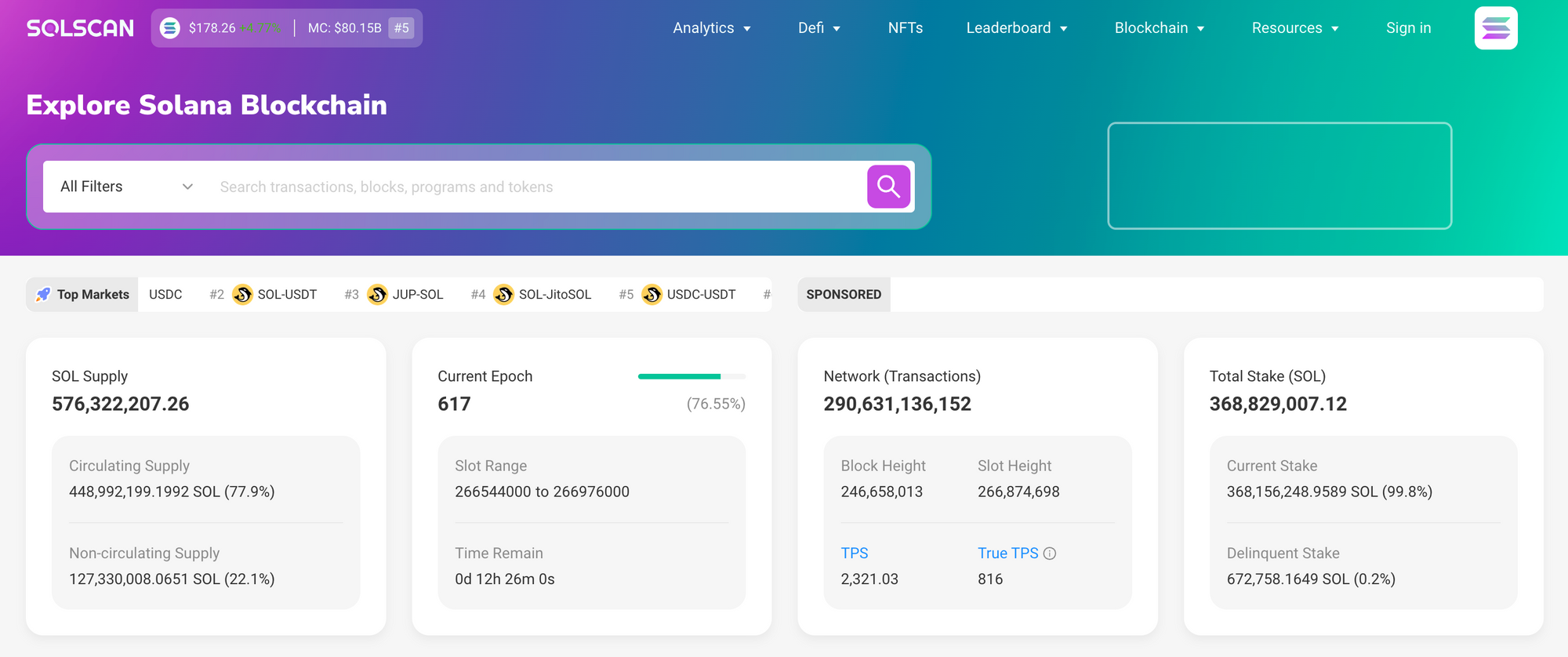
And for those who want a fast, reliable entry—I’ve bookmarked a reliable resource and keep it in my toolkit: solscan explorer official site. It often gives a tidy blend of token details, transaction logs, and NFT history without too many needless clicks.
Common mistakes I see
People assume a failed transaction always costs a lot. Not true. Short sentence.
They also forget to check which token account actually received the tokens. This leads to “where did my tokens go?” panics. Medium-length explanation—often the tokens are sitting in a token account created automatically, or they were transferred to a marketplace’s program account.
Another recurring error: trusting metadata URLs without checking them. If the URL is down or points to mutable content, the perceived rarity or artwork could be different tomorrow. That has real consequences if you’re evaluating value.
And okay—I’ll be honest: sometimes I am lazy and assume the first explorer link is enough. That backfires. Be better than me. Also, somethin’ to keep in mind: don’t chase every whale move unless you’re studying behavior patterns.
FAQ
How do I confirm a transaction actually moved an NFT?
Check the mint address and the token account changes in the transaction details. Look at logs for the specific token program instructions, and confirm the metadata’s update authority and owner changes. If those line up, the transfer is real.
Can I rely on explorer UIs to show royalties and marketplace names?
Some explorers surface marketplace labels and royalty info, but it’s not guaranteed. Use the metadata and marketplace program logs for verification. On one hand, labels help fast understanding; though actually, they can be stale or misattributed—so double-check if money’s on the line.
What’s one quick troubleshooting step for a stuck transaction?
Check fee payer and compute units in the logs. Sometimes resubmitting with a higher fee or a dedicated compute budget does the trick. If the issue persists, inspect program errors in the logs to see if it’s a logic revert.
